In power semiconductor packaging, material selection plays a decisive role in determining electrical performance, thermal management efficiency, and long-term device reliability. Among all lead frame materials, copper-based alloys have become the dominant choice due to their excellent conductivity, mechanical strength, and manufacturability.
Among these, C19400 copper alloy strip stands out as a widely used solution for high-performance lead frame applications, especially in power devices, automotive electronics, and advanced semiconductor packaging.
Why Lead Frame Materials Are Critical in Power Semiconductors
Lead frames act as the structural and electrical backbone of semiconductor packages. They provide mechanical support for the chip while also serving as the primary pathway for electrical conduction and heat dissipation. In power semiconductor applications—such as MOSFETs, IGBTs, and power ICs—the demands on material performance are significantly higher. The lead frame must simultaneously handle high current density, rapid thermal cycling, and mechanical stress during packaging processes like stamping and bonding. This makes material selection one of the most important decisions in semiconductor packaging design.
C19400 Copper Alloy Strip: Balanced Performance for High-End Applications
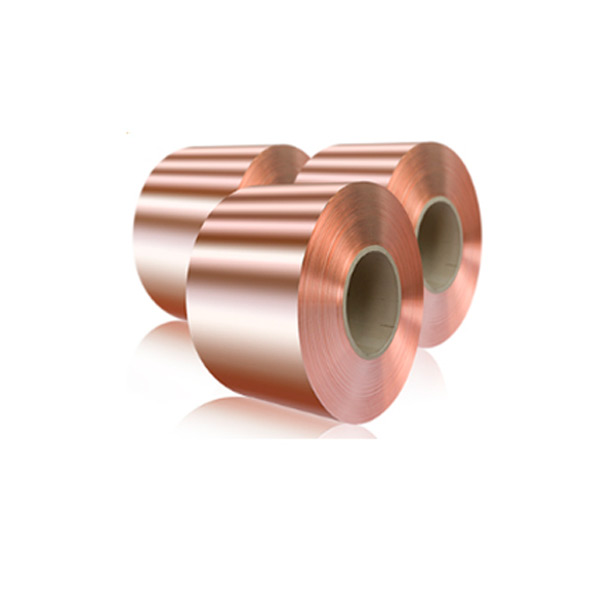
C19400 copper alloy strip is widely used in lead frame manufacturing because it offers an optimal balance between conductivity, strength, and processing performance. Unlike pure copper, which provides excellent conductivity but limited mechanical strength, C19400 improves structural stability while maintaining acceptable electrical performance. Its key advantages include stable thermal conductivity, strong fatigue resistance, and excellent stamping performance, making it suitable for high-volume semiconductor packaging production. In practical applications, this balance is especially important for power devices where both heat dissipation and structural integrity must be maintained under continuous load.
Electrical Conductivity and Thermal Dissipation Performance
In power semiconductor systems, electrical and thermal performance are tightly linked. A lead frame material must efficiently conduct both current and heat away from the chip to prevent overheating and ensure stable operation. C19400 copper alloy strip offers sufficient conductivity to support medium to high-power applications while significantly improving heat dissipation efficiency compared to many alternative alloys. This helps reduce junction temperature rise, which directly improves device reliability and service life. In compact power modules, even small improvements in thermal conductivity can have a significant impact on system efficiency.
Mechanical Strength and Reliability in Packaging
Beyond conductivity, mechanical strength is another key factor in selecting lead frame materials. During semiconductor packaging, materials undergo stamping, bending, bonding, and encapsulation processes, all of which require stable deformation behavior. Compared with pure copper, C19400 provides enhanced tensile strength and better resistance to deformation. This helps maintain dimensional accuracy during high-speed stamping production and reduces the risk of warping or cracking during assembly. Its improved stamping formability supports high-volume production, while stable dimensional control ensures precision during molding and encapsulation. Additionally, the material offers enhanced fatigue resistance under thermal cycling conditions. These properties make C19400 especially suitable for automotive-grade and industrial power electronics applications.
Stamping Performance and Mass Production Efficiency
In semiconductor manufacturing, cost efficiency is heavily influenced by material processing performance. Lead frame strips must support high-speed progressive stamping without cracking or excessive tool wear. C19400copper alloy strip performs well in this regard because it maintains a balance between hardness and ductility. This allows manufacturers to achieve:
· High-speed stamping stability in automated production lines
· Reduced tool wear and maintenance frequency
· Consistent edge quality and reduced burr formation
In large-scale production environments, these advantages translate directly into lower manufacturing costs and improved yield rates.
Application Scenarios in Power Semiconductor Packaging
Lead frame materials based on C19400 copper alloy are widely used in:
· Power MOSFET packaging
· IGBT modules for industrial drives
· Automotive power control systems
· High-efficiency power ICs and rectifiers
In these applications, reliability under high temperature and high current conditions is critical. Material stability directly influences device failure rates and long-term operational safety.
Material Selection Perspective for Engineers and Procurement Teams
When selecting lead frame materials, engineers must consider not only electrical conductivity but also thermal behavior, mechanical strength, and production efficiency. A material that performs well in laboratory conditions may still fail in mass production if it lacks stamping stability or batch consistency. This is why industrial buyers often prioritize suppliers with stable metallurgical control and consistent strip quality. JINTIAN Copper focuses on providing high-performance copper alloy strip solutions for semiconductor and Electronic industries, supporting both OEM manufacturing and high-volume production requirements with stable quality control systems.
FAQ: Lead Frame Materials and C19400 Copper Alloy
Why is C19400 used for lead frames?
Because it provides a balanced combination of conductivity, strength, and manufacturability suitable for power semiconductor packaging.
How does it compare to pure copper?
Pure copper has higher conductivity but lower mechanical strength, while C19400 improves structural stability with acceptable conductivity.
Is it suitable for automotive electronics?
Yes, due to its excellent fatigue resistance and thermal stability under harsh operating conditions.
What makes it suitable for stamping processes?
Its optimized hardness and ductility allow stable high-speed stamping with reduced tool wear.

 English
 한국어
한국어 français
 Deutsch
 Español
 italiano
 العربية
 tiếng việt
 Türkçe
 ไทย
ไทย 中文
中文