In air conditioning installation and HVAC engineering, copper pipe insulation is a critical factor that directly affects energy efficiency, condensation control, and long-term system durability. Without proper insulation, copper piping can easily form condensation, leading to energy loss, corrosion risk, and reduced system lifespan. For AC contractors, wholesalers, and project procurement teams, choosing the right insulation material is not only a technical decision but also a cost and installation efficiency strategy. This article compares three common solutions: PE insulation, PVC insulation, and pre-insulated copper tubes.
Why Copper Pipe Insulation Matters in AC Systems
In air conditioning systems, refrigerant-carrying copper pipes operate at low temperatures. When exposed to warm and humid air, condensation forms on the pipe surface. If not properly insulated, this moisture can drip, damage building materials, and accelerate corrosion. Good insulation helps to:
· Prevent surface condensation and water leakage
· Improve overall energy efficiency
· Reduce heat gain or heat loss in refrigerant lines
· Extend service life of copper piping systems
In large-scale HVAC installations, insulation quality often determines long-term maintenance cost.
PE Insulation: The Most Common and Cost-Effective Option
PE (polyethylene) insulation is widely used in residential and light commercial AC systems due to its low cost and ease of installation. It offers basic thermal insulation and moisture resistance, making it suitable for standard cooling applications. However, PE insulation also has limitations. Its fire resistance is relatively low, and it may degrade under prolonged UV exposure if installed outdoors without protection. In high-temperature environments, its performance stability is also limited compared to advanced insulation materials. Despite these limitations, PE remains a popular choice for budget-sensitive projects where basic performance is sufficient.
PVC Insulation: Stronger Protection and Better Durability
PVC insulation is often selected for applications requiring higher mechanical strength and better environmental resistance. Compared with PE, PVC offers improved durability and better resistance to physical damage during installation and maintenance. In practical HVAC engineering, PVC insulation is commonly used in exposed piping sections or commercial environments where pipes may face external impact. It also provides better flame retardant performance compared to PE materials. Typical characteristics include higher mechanical strength and impact resistance, improved fire resistance performance, better suitability for exposed installations, and a slightly higher cost compared to PE insulation. However, PVC is less flexible than PE, which can make installation more time-consuming in complex piping layouts.
Pre-Insulated Copper Tube: Integrated Efficiency Solution
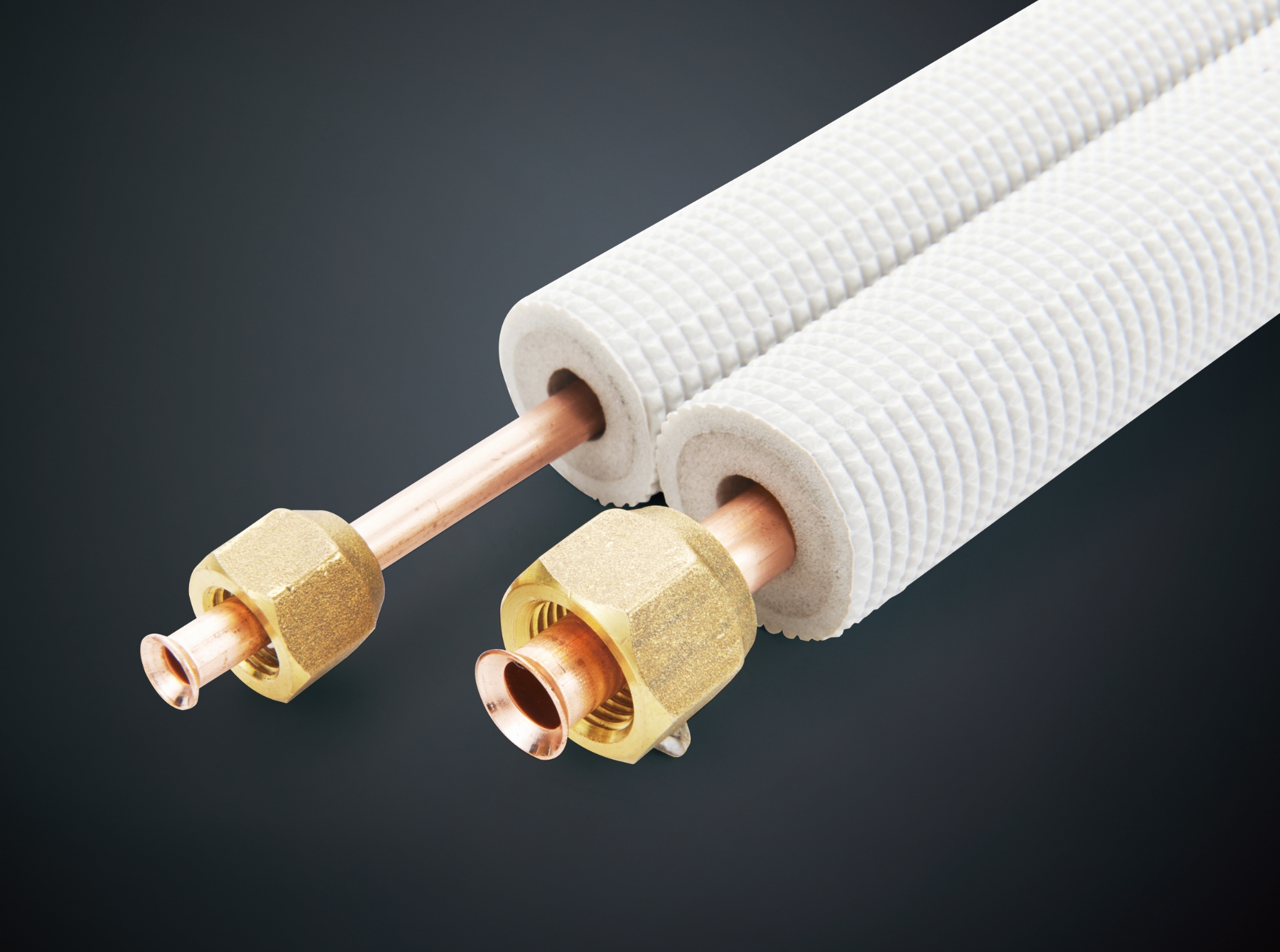
Pre-insulated copper tubes combine copper piping and insulation layers into a factory-integrated product. Instead of applying insulation on-site, the pipe arrives ready for installation, significantly improving construction efficiency and consistency. This solution is increasingly used in modern HVAC projects, especially in large residential buildings and commercial air conditioning systems. Key advantages include:
· Factory-controlled insulation thickness and uniformity
· Faster installation with reduced on-site labor
· Lower risk of insulation gaps or human error
· Better long-term condensation control performance
From a procurement perspective, pre-insulated systems help reduce installation time while improving quality consistency across large projects.
Comparative Overview: PE vs PVC vs Pre-Insulated Copper Tube
Each insulation solution serves different project requirements. A simple comparison helps clarify their strengths:
· PE insulation is best suited for cost-sensitive residential AC installations where basic performance is sufficient
· PVC insulation is ideal for commercial environments requiring higher durability and better protection
· Pre-insulated copper tubes are preferred in large-scale HVAC projects where installation efficiency and system consistency are priorities
In real-world engineering decisions, the choice often depends on balancing installation cost, labor efficiency, and long-term system reliability.
Installation Cost and Project Efficiency Considerations
From a construction perspective, insulation material directly affects installation time and labor cost. PE insulation is easy to install but requires manual application and sealing. PVC insulation increases installation time due to its rigidity but improves protection in exposed areas. Pre-insulated copper tubes significantly reduce on-site workload because the insulation is already integrated. This reduces labor hours on insulation wrapping, risk of inconsistent insulation thickness, and rework caused by installation errors. For large HVAC contractors, this can translate into substantial project efficiency gains.
Condensation Control and Energy Performance
One of the most important functions of copper pipe insulation is condensation prevention. PE and PVC rely on field installation quality to achieve full sealing, while pre-insulated systems offer factory-controlled consistency. In high-humidity environments, inconsistent insulation thickness or gaps can lead to localized condensation points. Over time, this may result in corrosion of copper pipes or damage to surrounding building materials. Pre-insulated copper tubes generally perform better in long-term stability because insulation is applied under controlled manufacturing conditions.
Procurement Perspective for HVAC Projects
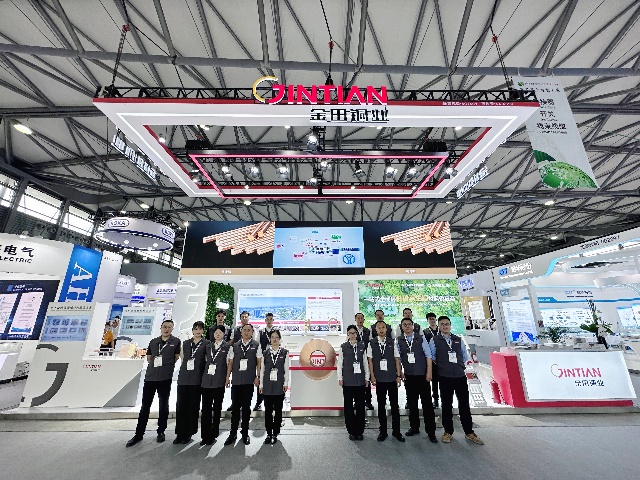
When selecting insulation systems for copper piping, procurement teams should evaluate not only material cost but also total lifecycle performance. Key factors include installation labor cost, environmental exposure conditions, system complexity, and long-term maintenance expectations. For HVAC manufacturers and project contractors, integrated solutions such as those provided by Jintian Copper help ensure stable supply, consistent quality, and compatibility with modern air conditioning system requirements.
FAQ: Copper Pipe Insulation in AC Systems
What is copper pipe insulation used for?
It prevents condensation, reduces energy loss, and protects copper pipes in air conditioning systems.
Which is better, PE or PVC insulation?
PE is more cost-effective, while PVC offers better durability and fire resistance.
Are pre-insulated copper tubes better?
They offer higher installation efficiency and more consistent insulation quality, especially for large projects.
Can insulation affect AC performance?
Yes, poor insulation can cause energy loss, condensation, and reduced system efficiency.

 English
 한국어
한국어 français
 Deutsch
 Español
 italiano
 العربية
 tiếng việt
 Türkçe
 ไทย
ไทย 中文
中文