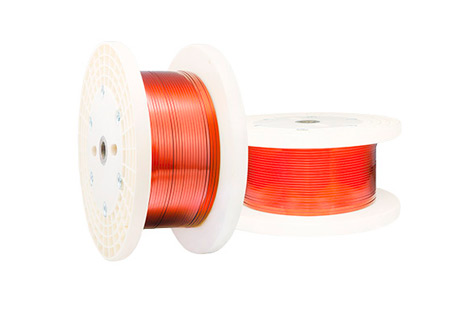
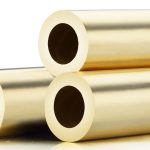
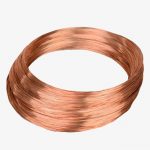
Enameled wire is a type of winding wire. It is an electromagnetic wire manufactured by coating copper, aluminum, or other metal conductors with a layer of insulating varnish, followed by a curing process. This layer of insulating varnish ensures that the conductors remain electrically isolated from each other, preventing electrical leakage and withstanding specified voltages. Enameled winding wire is primarily used in electrical equipment such as motors, transformers, reactors, and relays.
For example, in standard small DC motors, the enameled wire is wound around the rotor and stator. When current flows through the enameled wire windings, a magnetic field is generated, driving the motor's rotation. Copper is one of the most commonly used materials for manufacturing enameled wire because of its excellent electrical conductivity and low resistivity. At standard atmospheric pressure and ambient temperature, copper exhibits very low resistivity, which effectively transmits current and minimizes energy loss.
For instance, in power transmission, using copper conductors enables electrical energy to be transmitted more efficiently compared to other metals. Therefore, most enameled wires use copper as their core material. When a copper conductor is coated with insulating varnish, it becomes enameled wire. The insulating varnish can consist of various types, such as polyester, polyimide, etc. These insulating varnishes allow the copper conductor to safely carry current in the windings of electrical equipment without causing short circuits through contact with other components or the windings themselves.
For example, in transformers, enameled copper conductors are wound tightly together. Without the protection of the insulating film, current would leak between the conductors, rendering the transformer inoperative.
Enameled Wire Technical Challenges
For instance, different enameled wires have varying temperature resistance levels, but overall these ranges are narrower compared to specialized high-temperature resistant materials. Common polyester enameled wire, for example, typically has a long-term operating temperature of around 130°C–155°C.
When used in high-temperature environments, the insulating varnish of the enameled wire ages more rapidly. Excessive temperatures can alter the physical and chemical properties of the varnish, such as causing it to soften or become brittle. When these issues occur, the insulation performance diminishes.
During motor operation, if the motor is overloaded for an extended period or has poor heat dissipation, the temperature around the enameled wire increases beyond its thermal limit, which may lead to short circuits, affecting the motor's normal operation.
Additionally, the insulating varnish is susceptible to damage. The insulation of enameled wire largely relies on its outer coating layer. During installation and operation, the enameled wire is prone to mechanical damage. In environments with vibrations or frequent bending, the insulating varnish can easily crack or peel off.
Enameled wires have a specified current-carrying capacity by design. If the current flowing through the wire exceeds its rated capacity, excess heat is generated. Given the limited heat dissipation capacity of enameled wire, the excess heat accelerates the aging of the insulating varnish and increases the resistance of the metal conductor.
For example, in transformer short-circuit failures, the short-circuit current increases instantly. Enameled wire cannot withstand such overload currents, potentially damaging the insulating varnish, which leads to short circuits in the transformer windings and causes equipment damage.
Jintian’s High-Performance Solutions
Ultra-High Thermal Endurance: We offer Polyimide (PI)/PEEK coated wires with a Thermal Class up to 240°C, ensuring long-term reliability under extreme overload conditions without embrittlement.
EV Traction Motor Expertise: Our Corona-Resistant (Inverter-Grade) enameled wire is engineered specifically for EV propulsion systems, effectively mitigating Partial Discharge (PD) and insulation erosion in high-voltage environments.
Optimized for Hair-pin Technology: By enhancing film-to-conductor adhesion and flexibility, Jintian’s products are perfectly suited for the rigorous automated forming processes of modern Hair-pin stator windings.
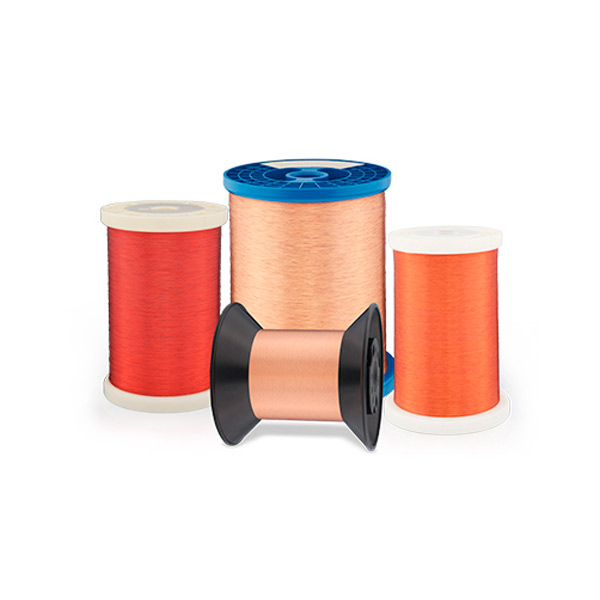
Enameled Copper Wire vs Copper Wire
| Copper Wire | Enameled Copper Wire |
| None (Exposed metal) | Ultra-thin specialized varnish (PE, PI, PU, etc.) |
| Electrical conduction and grounding | Creating electromagnetic fields (Winding) |
| Standard (Requires bulky secondary insulation) | Superior (Enables high copper fill factor in compact motor designs) |
| High if wires touch | Minimized (Integrated insulation layer prevents turn-to-turn short circuits) |
| Limited by external insulation (usually <90°C) | High (Up to 220°C or higher for specialized grades) |
| Electrical cables, busbars, grounding wires | Motors, Transformers, EV Traction Motors, Inductors |
| Drawing and Annealing | Drawing, Annealing, Multi-pass Coating, and Baking |
How does the Enamelled Wire Price Compare to Other Winding Wires?
First, raw material costs are relatively high. Enameled wire typically uses copper or aluminum as conductors; especially enameled copper winding wire, which carries a higher cost. Copper constitutes a significant portion of enameled wire's total cost. When market copper prices rise, enameled wire prices follow suit.
Second, enameled wire production requires multiple processes, including drawing, annealing, coating, and curing to form an even and uniform insulating film on the metal wire surface. These complex manufacturing processes increase production costs, making the purchase price of enameled wire relatively high.
For some high-performance enameled wires, such as corona-resistant enameled round copper wire for inverter-duty motors, more stringent production requirements further increase the price.
Enameled copper wire prices are significantly higher than those of aluminum enameled wire. Some companies, in applications with lower requirements for conductivity and corrosion resistance, choose aluminum enameled wire to reduce costs.
Additionally, prices vary significantly based on the diameter, length, and other specifications of the enameled wire.
Compared to some emerging high-tech winding materials, enameled wire is a traditional and mature product, so its price is relatively stable. In a balanced supply and demand situation, price fluctuations for enameled wire are typically small. However, there have been significant fluctuations in recent years. This is because the main raw materials for enameled wire—copper and aluminum—are significantly affected by international market supply and demand as well as macroeconomic conditions. When raw material prices fluctuate significantly, so do enameled wire prices. If global economic recovery boosts the demand for copper, pushing its price up, enameled wire prices will rise accordingly.
Jintian Copper is a Reliable Enameled Wire Supplier
Jintian Copper possesses extensive experience in manufacturing various types of enameled wire, including polyimide (PI) magnet wire, solderable polyurethane enameled round copper wire, polyester enameled round copper wire, polyamide (nylon) composite enameled wire, inverter-duty corona-resistant enameled round copper wire, and enameled rectangular (flat) copper wire.
Jintian Copper is dedicated to producing enameled wire with superior insulation performance that meets the highest industry standards, ensuring the safe flow of current in electrical components while preventing short circuits. Their products are manufactured through rigorous processes, including drawing, annealing, coating, and curing, to meet diverse application needs. Whether you need standard or high-performance enameled wire, Jintian Copper has the expertise and technology to provide exceptional quality. As a leading enameled wire supplier, Jintian Copper is committed to delivering innovative solutions for your wiring needs, helping you achieve outstanding performance and reliability in electrical equipment.
FAQs of Enamelled Wire
What is enameled copper wire?
Enameled copper wire, also known as magnet wire, is a high-purity copper conductor coated with a very thin layer of specialized insulating varnish (enamel). Unlike general-purpose electrical cables that use thick plastic jackets (such as PVC), the ultra-thin insulation of enameled wire allows it to be wound into tight, high-density coils.
How to tell if copper wire is enameled?
Visual Inspection: Enameled wire has a distinct glossy, reflective finish and typically comes in colors such as amber, red, green, or deep gold. It feels smooth and slick to the touch compared to the matte or oxidized surface of bare copper.
The Scratch Test: Use a craft knife or sandpaper to gently scrape the surface. If the wire is enameled, you will see a thin layer of transparent or colored film being removed, revealing the bright, pinkish-orange raw copper underneath.
The Multimeter Test: Set your multimeter to the "Continuity" or "Resistance" setting. If you touch the probes to the surface of the wire and there is no beep or reading, it is enameled. Once you scrape off a small patch of the coating and touch the bare metal, the multimeter will signal a connection.
Is enameled copper wire insulated?
Yes, it is. The enamel coating functions as a high-performance dielectric insulation layer.
The primary purpose of the enamel insulation is to prevent turn-to-turn short circuits when the wire is wound tightly into a coil. The key advantage of enamel over traditional insulation is its extreme thinness and superior thermal stability. This allows engineers to design smaller, more efficient, and more powerful motors and transformers.

 English
 한국어
한국어 français
 Deutsch
 Español
 italiano
 العربية
 tiếng việt
 Türkçe
 ไทย
ไทย 中文
中文