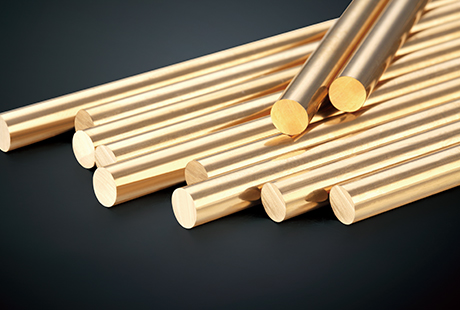
When a brass strip is specified as C2680-H, the alloy designation alone does not tell the whole story. The temper is equally important because it affects strength, elongation, bending behavior, and how the material responds during stamping. For manufacturers purchasing C2680 brass strip, understanding the difference between alloy composition and temper can prevent problems such as excessive springback, cracking, or inconsistent forming results.
C2680 is a widely used copper-zinc alloy, while the “H” in C2680-H brass strip identifies a hardened or cold-worked condition. This makes C2680-H particularly relevant when a production process needs a combination of good conductivity, practical formability, and higher mechanical strength.
What Is C2680-H Brass Strip?
C2680 is a brass alloy containing copper and zinc, commonly associated with JIS C2680. Its balance of strength, ductility, corrosion resistance, and processing performance makes it suitable for strip applications.
The key point is that C2680 brass strip can be supplied in different tempers. An annealed condition such as O is softer and more ductile, while an H temper has undergone controlled cold working to increase strength and hardness.
Therefore, two C2680 strips with the same nominal chemical composition can behave quite differently during production. When evaluating C2680 brass strip, buyers should consider both the alloy designation and the required temper.
C2680 Brass Chemical Composition and Material Properties
The performance of C2680 comes primarily from its copper-zinc composition. Copper provides conductivity and ductility, while zinc contributes to strength and hardness. The exact chemical limits should always be checked against the applicable standard and product specification.
For manufacturers, the more practical question is how these characteristics translate into production. C2680 offers a useful balance for stamped, bent, and formed components, while cold working can further increase its tensile strength and hardness.
This is why C2680 brass chemical composition should not be evaluated separately from temper. Chemical composition defines the alloy family, but the delivered condition has a major influence on actual forming performance.
What Does the H Temper Mean for C2680?
In C2680-H, the “H” indicates a cold-worked condition rather than a different chemical alloy. During cold working, plastic deformation increases the material's strength and hardness while generally reducing elongation.
The practical effect can be understood simply:
· O temper: softer, more ductile, and generally better for severe forming.
· H temper: stronger and harder, with reduced ductility but better resistance to deformation.
· Harder tempers: greater strength and lower formability, making them more suitable when dimensional stability or structural strength is prioritized.
The exact properties associated with an H designation depend on the applicable standard and specific temper. Therefore, buyers should not assume that every C2680-H product has identical mechanical values.
C2680-H for Stamping, Bending and Forming
The main advantage of C2680-H brass strip is its higher strength compared with an annealed condition. This can be valuable for stamped components that need to maintain their shape after forming.
However, higher hardness also means that the material has less forming reserve. For relatively simple stamping or bending operations, C2680-H can be an effective choice. For deep drawing or highly complex forming, a softer temper may provide better ductility.
Several process factors should be considered together:
· Material thickness: thinner strip may respond differently to bending and springback.
· Bend radius: tighter radii increase deformation and cracking risk.
· Tool design: die clearance, punch geometry, and forming speed influence results.
· Temper: harder C2680 conditions generally require more attention to forming limits.
For this reason, C2680 brass strip should be selected according to the actual forming process rather than simply choosing the highest available strength.
C2680 Brass Specification for Industrial Strip
A complete C2680 brass specification should describe more than the alloy name. For production orders, manufacturers commonly need to define thickness, width, temper, dimensional tolerance, surface condition, and applicable standard.
Condition | Formability | Strength | Typical Use |
O | Excellent | Lower | Deep forming |
H | Good to moderate | Higher | Stamping and bending |
Harder temper | Lower | Higher | Spring or structural applications |
The term JIS C2680 is particularly relevant when purchasing according to Japanese Industrial Standards. Buyers should confirm the exact JIS designation, temper, dimensions, and mechanical requirements rather than relying on “C2680” alone.
For applications where the strip will undergo progressive stamping, the tooling engineer may also need information about flatness, edge condition, burr requirements, and coil dimensions.
How to Select C2680-H Brass Strip for Production
The right C2680 brass strip depends on what the component needs to do after forming. If maximum ductility is the priority, an annealed condition may be more appropriate. If the finished part needs greater strength and resistance to deformation, C2680-H can be a better starting point.
Before ordering, manufacturers should confirm the required alloy, temper, thickness, width, tolerance, surface condition, and forming process. For high-volume stamping, it is also useful to validate the selected temper with actual tooling and component geometry.
For buyers who need help matching material condition with stamping, bending, or dimensional requirements, JINTIAN's brass strip product range can provide a practical starting point for specification discussions.
Conclusion
Choosing C2680-H brass strip is not simply a matter of selecting a stronger version of C2680. The H temper changes the balance between strength and formability, which can directly affect stamping, bending, springback, and dimensional stability. Understanding C2680 brass chemical composition, C2680 brass specification, and the requirements of JIS C2680 together allows manufacturers to select a strip condition that better matches the production process.
FAQ
What does H mean in C2680-H?
H indicates a cold-worked or hardened temper. It generally means higher strength and hardness than an annealed condition.
Is C2680-H suitable for stamping?
Yes. It can work well for stamping and bending applications, provided the component geometry and forming severity are compatible with its temper.
Is C2680-H stronger than annealed C2680?
Generally, yes. Cold working increases strength and hardness while reducing ductility.
Can C2680 be deep drawn?
C2680 can be used for forming, but severe deep drawing generally benefits from a softer, more ductile temper than H.
What does JIS C2680 mean?
JIS C2680 refers to the C2680 brass designation under the Japanese Industrial Standards system.
What thickness and width should buyers specify?
Buyers should specify the required thickness, width, tolerance, temper, surface condition, coil or sheet format, and applicable standard.

 English
 한국어
한국어 français
 Deutsch
 Español
 italiano
 العربية
 tiếng việt
 Türkçe
 ไทย
ไทย 中文
中文